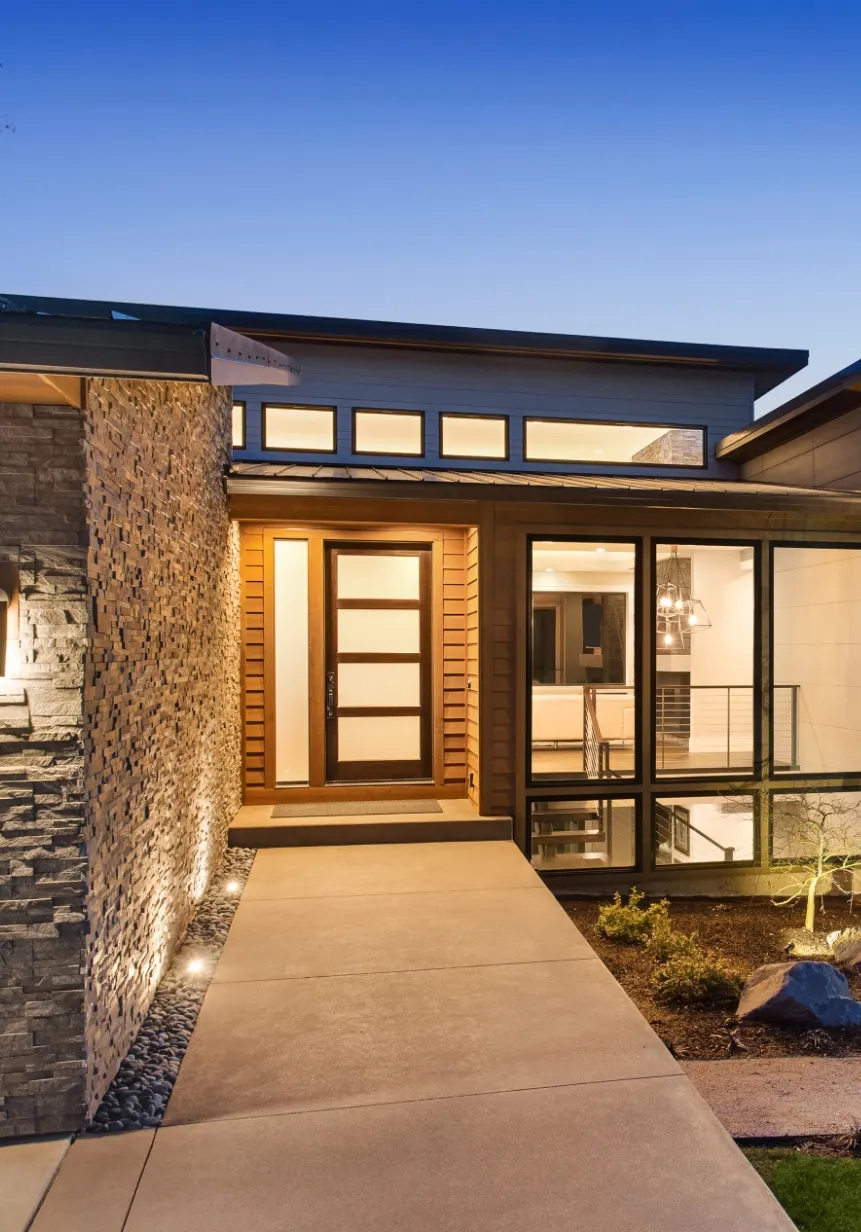
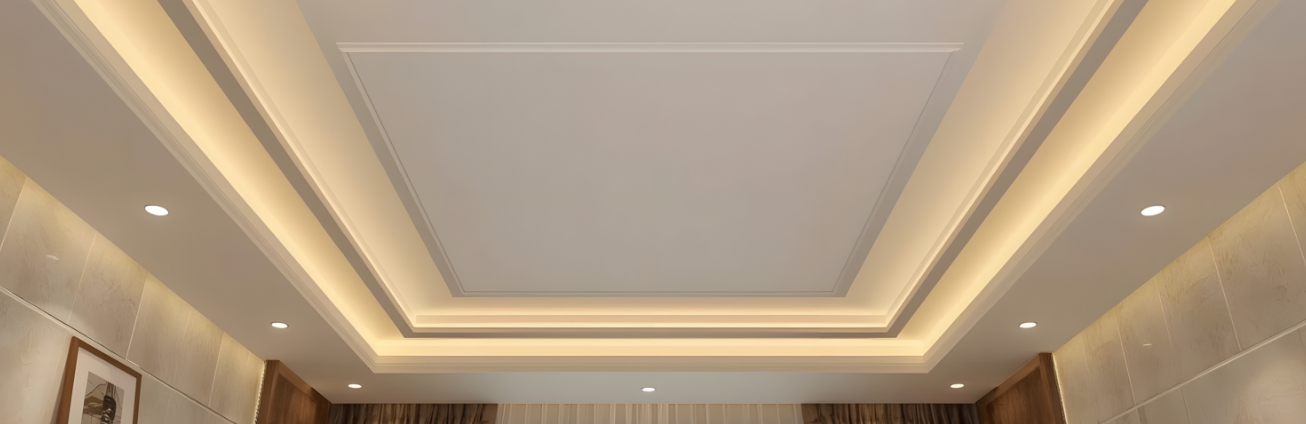
There's a moment every GTA homeowner has in July: standing in the backyard at dusk, patio set up, garden finally in bloom, and realizing the space goes dark and unusable the second the sun sets. Outdoor lighting is what turns a backyard into an evening room, and summer is exactly when most people decide to finally do it.
Done well, outdoor and landscape lighting extends your living space, improves safety, and adds real curb appeal. Done poorly, it's glare, dark spots, tripped GFCIs, and fixtures that fail after two winters. The difference comes down to planning and proper electrical work.
Before browsing lights, walk your property at night and ask what each area needs:
Safety lighting covers steps, grade changes, walkways, and driveways. This is the non-negotiable layer, and it's about preventing falls, not decoration.
Security lighting covers entry points, side yards, and dark corners, often with motion sensors. The goal is eliminating hiding spots, not flooding the yard like a stadium.
Living space lighting makes patios, decks, and outdoor kitchens usable after dark. Softer and warmer than the other layers, this is where dimmers earn their keep.
Accent lighting is the landscape layer: uplighting trees, washing stone or brick features, grazing garden beds. A few well-placed fixtures here do more than a dozen scattered ones.
The best outdoor lighting plans use all four layers at restrained levels. If your neighbours can read a book on their own porch by your backyard lights, something has gone wrong.
Most residential landscape lighting today runs on low voltage systems, where a transformer steps household power down to 12 volts feeding the garden fixtures. Low voltage is safer to run through garden beds, flexible to adjust as plantings mature, and efficient with LED fixtures.
Line voltage, meaning standard 120 volt circuits, is the right tool for permanent infrastructure: outdoor receptacles, wall sconces, post lights, soffit lighting, and anything powering equipment. It requires buried cable at proper depth, weatherproof boxes, and GFCI protection under the Ontario Electrical Safety Code, which puts it squarely in licensed electrician territory.
Most complete projects involve both: an electrician establishes the outdoor circuits, receptacles, and transformer locations, and the low voltage layer builds from there.
Ontario weather is the real test of outdoor electrical work. A few things separate installations that last from ones that don't:
GFCI protection everywhere. All outdoor receptacles and circuits need ground fault protection. If your outdoor outlets trip constantly, that's usually a sign of moisture getting into connections or fixtures, not a reason to bypass the protection.
Weatherproof in-use covers on receptacles, so the protection works even with something plugged in through the rain.
Wet-rated fixtures and proper connections. Wire nuts wrapped in tape don't survive Canadian freeze-thaw cycles underground. Gel-filled connectors and proper burial depth do.
Frost and snow planning. Fixtures placed where the snowblower travels or where roof snow sheds have short lives. Placement should account for February, not just July.
Timers and smart controls. Photocells, timers, and smart switches mean the lighting runs itself. This pairs naturally with broader smart home setups, which we've written about before.
Modern LED landscape lighting uses a fraction of the power of the old halogen systems, runs cool, and lasts for years. That efficiency means a transformer can feed more fixtures, and it makes leaving lighting on through the evening inexpensive. Choose warm colour temperatures around 2700K for landscape and living areas; cooler light outdoors tends to look harsh and commercial.
An electrician adds value at three points: designing the circuit layout and capacity for what you actually want to power outside (including future plans like a hot tub or outdoor kitchen), installing the line voltage infrastructure safely and to code with ESA inspection where required, and troubleshooting the moisture and connection issues that plague aging outdoor systems.
Murtex Electric designs and installs outdoor lighting, landscape lighting systems, outdoor receptacles, and exterior circuits for homeowners across Toronto, Etobicoke, North York, Vaughan, Markham, Richmond Hill, Mississauga, Burlington, Oakville, and Caledon. If you're ready to get more evenings out of your backyard, contact us for an assessment and a lighting plan built to last through Ontario winters.