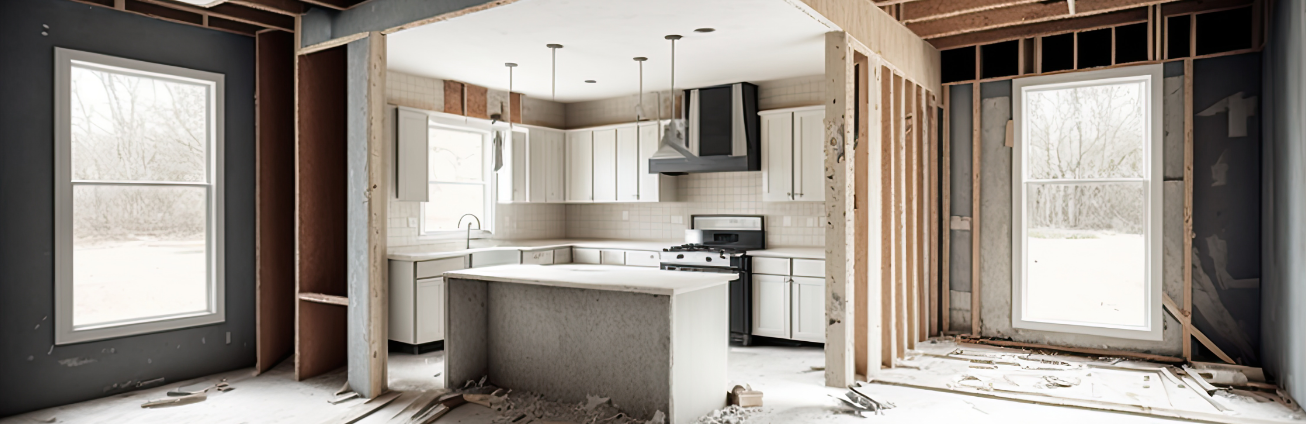
Home renovations are exciting. New kitchens, finished basements, upgraded lighting, expanded living spaces, finally fixing the ugly parts of the house that have offended you for years.
What many homeowners do not realize, however, is that behind every beautiful renovation is an electrical system that must safely support the new layout, additional appliances, increased power demand, and modern building requirements.
This is where electrical code compliance becomes one of the most important parts of the entire project.
Without proper electrical planning and licensed installation, renovations can lead to failed inspections, overloaded circuits, fire risks, insurance complications, and expensive rework after the walls are already closed.
Any major renovation typically adds new strain to the home’s electrical system.
Projects like:
often introduce:
Older panels and branch wiring are not always equipped to safely handle these additions.
A professional home renovation electrician ensures the system is evaluated before the cosmetic work moves ahead, not after breakers start tripping and everyone starts blaming each other.
Many people hear “code compliance” and think it is simply paperwork or inspection formalities.
In reality, Ontario electrical code standards are in place to protect homeowners from:
Code requirements ensure every new electrical addition is installed to safely carry its intended load and function properly long term.
Ignoring those standards may save a little money during installation, but it often creates far bigger costs when unsafe work needs to be reopened, corrected, or fails insurance review.
This is one of the most common issues seen during renovation projects.
A homeowner or general contractor may try to:
without involving a licensed electrician.
Sometimes the work appears fine on the surface. Hidden behind drywall, however, there may be:
These shortcuts can result in:
Electricity is one of those things where “my cousin knows a guy” should not be the project management strategy.
In Ontario, most renovation electrical work requires notification and inspection through the Electrical Safety Authority.
An ESA electrical inspection helps verify:
This gives homeowners peace of mind that the hidden electrical infrastructure behind their renovation is not relying on guesswork.
It also protects the value of the renovation should the home ever be sold.
Because buyers tend to prefer walls that are decorative, not combustible.
One of the biggest renovation mistakes is treating electrical as an afterthought.
Electrical should be planned before:
Early planning allows the electrician to:
Late electrical changes are almost always more invasive and more expensive.
Which is contractor code for “we now need to cut open things you just paid to finish.”
Licensed and properly inspected electrical upgrades do more than pass inspection.
They help:
A well renovated home should not only look modern. It should function safely behind the walls for years to come.
That only happens when electrical work is done properly the first time.
At Murtex Electric, we work closely with homeowners, builders, and renovation contractors to provide code compliant electrical upgrades for kitchens, basements, additions, lighting redesigns, panel improvements, and full home renovations.
Our licensed electricians ensure every installation is completed safely, professionally, and in accordance with Ontario ESA standards so your finished renovation is as dependable as it is beautiful.
Electrical work may be behind the walls, but it affects every part of how your renovated home functions.
If you are planning a renovation, involve a licensed electrician early to ensure the project meets code, passes inspection, and delivers safe long term performance.
Contact Murtex Electric today to discuss your renovation electrical needs.